EVERYTHING YOU NEED IN ONE PLACE
100% cotton fabrics for quilt top | Polyester soft minky fabric for backing | Pre-embroidered appliqué pieces Cutting layouts & templates | Step-by-step instructions | Coordinating thread


Helpful Supplies for Quilting
Sewing Machine - hand sewing is tedious and time-consuming, so a sewing machine is highly recommended. The type and quality won’t make much difference, but if you plan to buy one for quilting, choose a machine with a large harp (the open space under the arm), which makes it easier to handle larger projects. If you don’t have a machine, consider borrowing one from friends or family, or check your local library for loan options.
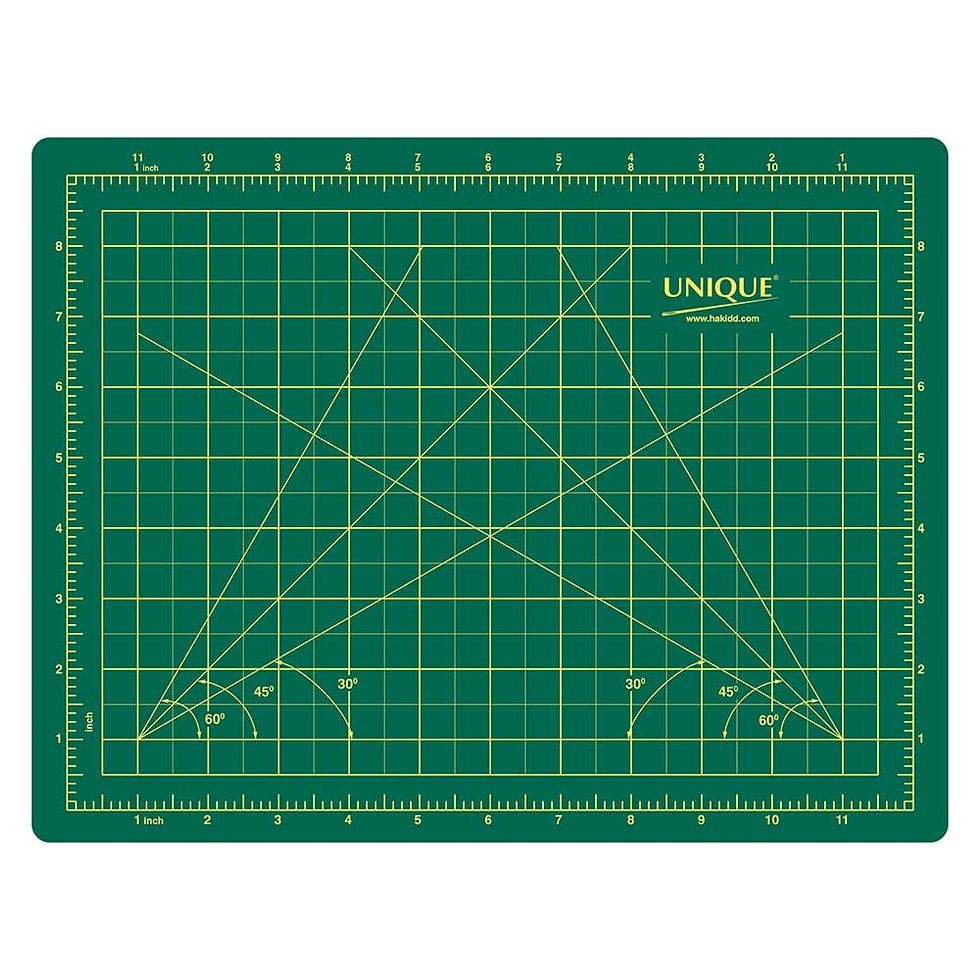
Rotary Cutter and Mat - when cutting around square templates it's more efficient to use a rotary cutter and mat. This way you are able to cut multiple layers at once and it eliminates the need to trace around the template first. A large mat isn't always necessary, the 12" x 18" is sufficient for most of our quilt blocks.
Pins, preferably large safety pins - When pin basting, connecting all the quilt layers together, it's easiest (and safest!) to use large safety pins. Long straight pins work too but they make it very likely that you will be pricked many times while sewing your layers together.
Iron - any household or craft iron will do. The iron is used for pressing seems flat and straight. When working with cotton fabrics it is helpful to have an iron that steams as well.
Batting – Batting between the quilt top and backing isn’t required, but it makes the quilt warmer and adds a “puffy” effect that helps smooth uneven seams, one to three layers is usually enough. When deciding if you will use batting consider how you are going to finish the quilt. If your sewing machine harp is small, you may want to skip the batting and making a duvet cover instead (you'll need a duvet zipper for this option), or hand sew the layers together if you prefer to use batting.